mindful solutions for the urban soul.
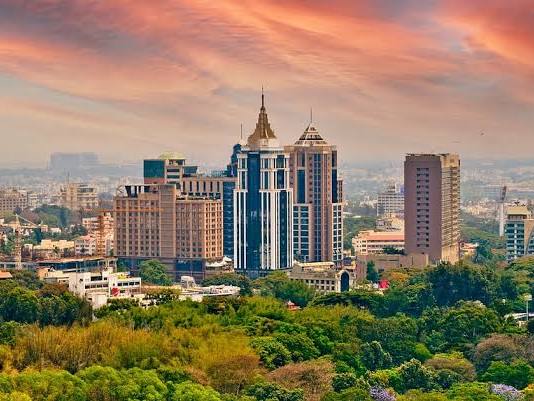
Standing in a packed subway car or walking down a street illuminated by glowing skyscrapers, it’s entirely possible to feel completely invisible. Urban loneliness is a quiet modern health epidemic—a strange phenomenon where the more people surround us, the more isolated we can feel.
But breaking that heavy sense of isolation doesn’t require a costly international flight or a dramatic lifestyle shift. By treating your own city as a destination—practicing “micro-travel”—you can actively disrupt the lonely, repetitive daily loop. Shifting your geography by just a few blocks gives your brain a healthy reset. When you step out as an intentional observer rather than a lonely passerby, the city transforms from a cold concrete jungle into a canvas for self-discovery.
If you are ready to reclaim your independence and boost your mental well-being this weekend, pack a small bag, pick up a pen, and try these first three urban micro-adventures.
1. The ‘Local Tourist’ Museum Reset
Visiting a museum solo is one of the most empowering acts a single person can experience. Unlike restaurants ,pubs bars, museums are intentionally built for quiet reflection, meaning there is absolutely zero societal pressure to socialize. Yet, you are deeply connected to the room—surrounded by art, history, and a community of other silent observers.
To turn this into an active mindfulness exercise, pack a small pocket sketchbook and a fine-liner pencil in your everyday carrybag. Find a quiet bench in a gallery, slow down, and pick a single sculpture or painting detail to draw. You don’t need to be an artist; the goal isn’t a masterpiece. The magic lies in the act of looking so closely at a piece of history that your racing thoughts completely quiet down, replacing anxiety with pure, focused presence.
2. Locality-Hopping for a Coffee Experiment
It’s easy to get stuck in a radius of a few familiar city blocks. Break out of your comfort zone by boarding a train or bus to a completely different neighborhood just to visit a specific, unique cafe. By changing your physical environment, you shake off the mental fog of a stagnant routine.
When you arrive, claim a small corner table or a seat by the window. Instead of burying your face in your smartphone—which only amplifies urban FOMO and surface-level connectivity—open your sketchbook. Use this time to mindfully sketch the coffee cup, the outline of the espresso machine, or the quick gestures of people passing by the window. Drawing gives your hands a purpose, removing the self-consciousness of sitting alone, while letting you absorb the warm sensory buzz of a fresh, unfamiliar crowd.
3. Walking Through the Architecture of the Past
When we walk through a city with our heads down, caught up in our own worries, the tall buildings can feel imposing and exclusionary. An antidote to this is taking a solo walking tour specifically through the oldest, most historic quarters of your city.
Wandering slowly through narrow historic alleys forces you to look up. Psychologists find that experiencing a sense of “awe”—like looking at beautiful, historic architecture—instantly lowers cortisol levels and eases anxiety. Find a quiet stoop or courtyard, pull out your sketchbook, and map out the lines of an old archway or a weathered brick facade. Documenting these vintage textures grounds you in the timeline of your city. It reminds you that you are part of a massive, living tapestry of people who have walked these exact paths across generations.
4. The Quiet Sanctuary of a Grand Local Library
If coffee shops feel too loud or fast-paced, the historic reading room of a public library is the ultimate urban sanctuary. Libraries are rare spaces in the modern city where you are welcome to exist for hours without the expectation of spending money. They are filled with people co-existing in peaceful, respectful silence, creating a comforting sense of low-pressure community.
Find a wooden desk under a green reading lamp, surround yourself with the scent of old paper, and open your sketchbook. You can sketch the grand arches of the ceiling, the rows of book spines, or simply use the quiet space to map out your thoughts. Being alone together in a room full of knowledge and quiet focus is incredibly therapeutic for an overstimulated mind, transforming city isolation into a feeling of deep, intellectual peace.
5. Getting Lost in the Micro-Climate of a Botanical Garden
When the concrete blocks begin to feel suffocating, a botanical garden or a city greenhouse offers an instant mental health rescue. Swapping grey pavements for vibrant greens and humid air tricks your brain into a state of restoration. It provides the healing benefits of nature travel without leaving the city limits.
Find a bench tucked away behind giant ferns or under a glass dome. Pull out your sketchbook and focus on the organic, imperfect geometry of a single leaf or flower. Unlike the sharp, rigid lines of city architecture, drawing nature allows your pen to flow freely. This act of “green sketching” lowers your heart rate, grounds your senses, and reminds you that even in the heart of a massive metropolis, you are deeply connected to the natural living world.
6. Becoming an Observer at a Weekend Street Market
Weekend flower markets, farmers’ markets, or flea markets are pulsating hubs of human life. While a busy bar can make a single person feel deeply out of place, a street market does the exact opposite—it welcomes observers. The bright colors, sensory smells, and ambient chatter provide a natural shield against loneliness.
Find a spot slightly off the main walking path—perhaps leaning against a lamppost or sitting on a low ledge. Use your sketchbook to capture quick, loose gestures of the environment: the stacks of fresh fruit, the bundles of bright tulips, or the silhouettes of shoppers browsing the stalls. Because everyone around you is moving and distracted, you can sketch freely without feeling watched. It allows you to feel the comforting warmth of human proximity while maintaining your own peaceful boundaries.
7. Navigating the Kinetic Energy of a Transit Hub
Train stations and historic transit terminals are the heartbeats of any major city. They are places of transitions, reunions, and departures, carrying a unique kinetic energy. While a lonely room feels stagnant, a grand station feels alive and full of forward momentum.
Find a seat at a station cafe or a second-floor balcony overlooking the main concourse. Pull out your sketchbook and try capturing “gesture drawings”—quick, 30-second outlines of people moving through the space. Sketch the sweeping lines of the architecture or the giant departure boards. Immersing yourself in a place where everyone is going somewhere reminds you that the city is constantly moving, shifting your mindset from feeling “stuck” to feeling part of a grand, collective journey.
8. Chasing the Golden Hour at a Waterfront or Skyline Viewpoint
There is a distinct biological shift that happens when we watch the sun go down. Sunset triggers a natural release of melatonin and lowers cortisol, acting as a built-in evening reset for your nervous system. Seeking out a city viewpoint—like a riverfront boardwalk, a bridge, or a public park overlooking the skyline—gives you a front-row seat to the city’s daily transition.
As the sky turns amber and violet, use your sketchbook to play with light and shadow. Shade in the dark silhouettes of the buildings against the glowing horizon. Sharing a sunset view with a crowd of strangers who are all silently watching the same sky creates a beautiful, unspoken connection. You realize that while you might be exploring solo, you are sharing the exact same beautiful moment with hundreds of people around you.
9. The ‘Coming Home’ Sketchbook Ritual
The final step of urban micro-travel happens when you return to your own space. The transition back to a quiet apartment can sometimes bring back a wave of loneliness if you aren’t intentional about how you close your day.
Instead of immediately turning on the TV or scrolling through your phone to fill the silence, sit down at your kitchen table with a warm cup of tea and open your sketchbook one last time. Look over the lines, notes, and doodles you made throughout the day. Write a quick, three-sentence caption under your favorite drawing summarizing what you felt or saw. This simple ritual transforms your solo day from a series of lonely hours into a documented adventure. It gives your experiences permanent value and leaves you with a tangible record of your mental health journey.
Turn Observation into Belonging
Urban loneliness tells us a lie: it convinces us that because we are alone, we don’t belong to the vibrant world around us. But by picking up a sketchbook and stepping out into the city as an intentional micro-traveller, you change the dynamic. You are no longer someone left out of the crowd; you are the artist documenting it.
Visiting a museum, losing yourself in a historic alleyway, or sketching in a quiet library reading room are active ways to protect your mental health and reclaim your city. You don’t need a travel partner or a plane ticket to live a life full of wonder. You just need a blank page, a pen, and the willingness to look up.
Back To Top